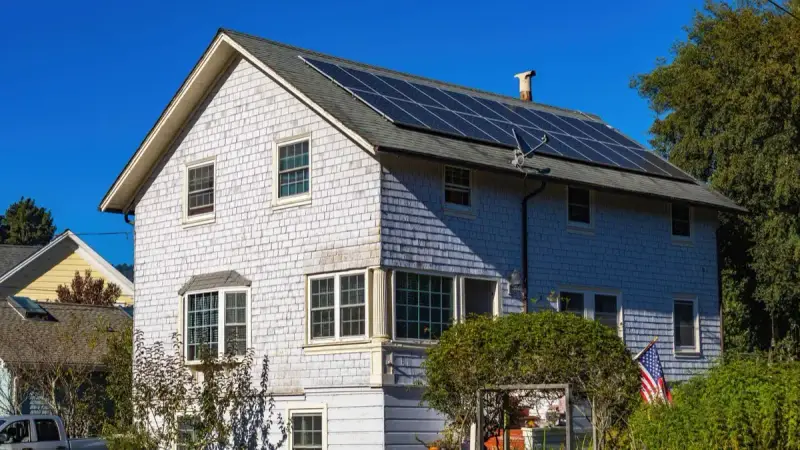
Newark OH Premium Roofing: Replacement, Leak Repair & Storm Work
Roofing across Licking County, documented to the code sections nobody is coming out to check.
- ✓Licking County inspects no reroof, but six cities here do
- ✓Ice barrier at every eave, per RCO Section 905.1.2
- ✓Insured through Ohio BWC, certificate sent direct from the carrier
- ✓Decking kept below the county 50 percent line wherever it is sound
Newark OH Premium Roofing is a roofing contractor covering Newark and the rest of Licking County: roof replacement, leak repair, storm and hail work, standing seam metal, slate, flashing, fascia, soffit and attic ventilation. Asphalt shingle replacement is classed here as a minor repair, so no permit is pulled and no inspector arrives. The Residential Code of Ohio still applies to every course, every fastener and every piece of flashing on the roof.
That gap is the reason this company writes things down. Chapters 8 and 9 govern underlayment type, ice barrier at the eaves, fastener count, drip edge, valley and sidewall flashing, sheathing and attic ventilation, and Sections 904.1 and 905.1 make the shingle manufacturer's printed instructions binding alongside them. On a job nobody witnesses, the photographs and the written scope are the inspection.
Newark is old for central Ohio. Of 21,755 housing units, 6,103 date to 1939 or earlier, against roughly fifteen percent countywide, which means plank decking, masonry chimneys laid in soft lime mortar, and attics built with no intake at all. We quote from the deck rather than the driveway, and we will tell you outright on the days a repair is the better buy.
Why Newark Chooses Newark OH Premium Roofing
- ✓Every job is photographed at bare deck, at the ice barrier line, at the fastener line and at each flashing, and the images are yours the same day.
- ✓Quotes come off the deck, not the driveway. Two-layer roofs and rotted plank sheathing surface on the first square rather than arriving later as a revision.
- ✓We publish the code sections we work to because Ohio has no roofing board and Licking County has no contractor registration to check us against.
- ✓Repair is a real product here. Where the field is sound and the failure is a termination, we say so in writing and do not return with a replacement quote.
- ✓Attic ventilation is a line item with a number attached: net free area achieved, in square inches, on the intake side as well as the exhaust side.
- ✓No deductible absorbing, no second version of an estimate, and no public adjusting we are not licensed in Ohio to perform on your behalf.
About Newark OH Premium Roofing in Newark, OH
Newark OH Premium Roofing works Newark, Heath, Granville, Pataskala and the rest of Licking County, plus the Fairfield, Knox, Muskingum, Perry and Coshocton county towns within an easy drive. Replacement, leak repair, storm and hail work, slate, metal, low-slope membrane, flashing, fascia, soffit and attic ventilation.
The company was built around one local fact. A residential reroof in this county is a minor repair: no approval, no inspection, and no letter afterward from anyone. Every code requirement still applies, and the only party who will ever verify that it was met is the crew that did the work. So we document as though someone were coming, because on our jobs the homeowner is the someone.
There is a kind of customer we are wrong for, and it is the one shopping purely on price. The saddle behind a wide chimney stays in our scope. The sixth fastener stays in whenever a wrapper asks for six. We will not produce a second estimate for the adjuster or quietly eat a deductible.
Ohio has no statute banning that outright, which is exactly why it gets offered so casually in driveways after a storm, but billing your carrier a price you were never going to pay is a false statement about a claim and both signatures are on it.
Somebody will underbid us on all three counts, and the reason surfaces in about six winters.
Newark Roofing: Every Service
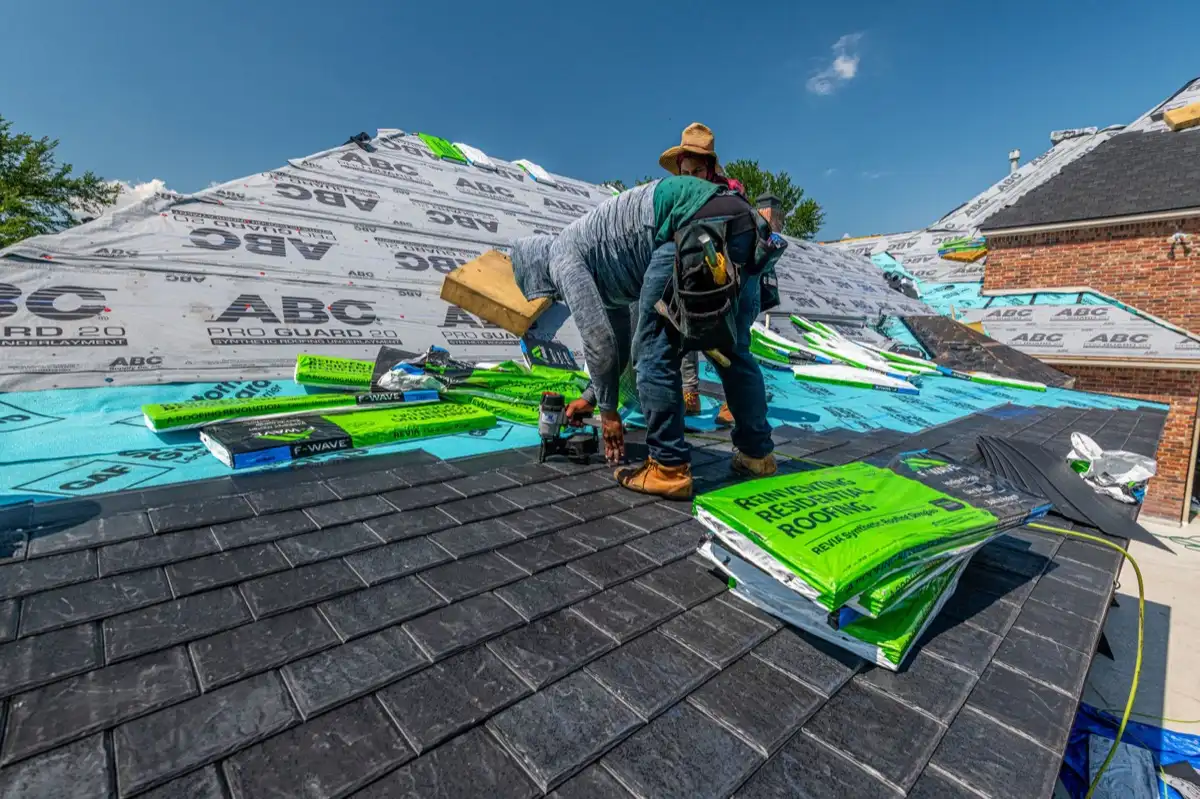
Roof Replacement
A tear-off here needs no approval and gets no inspection. Licking County calls shingle replacement a minor repair under RCO 102.10.2.
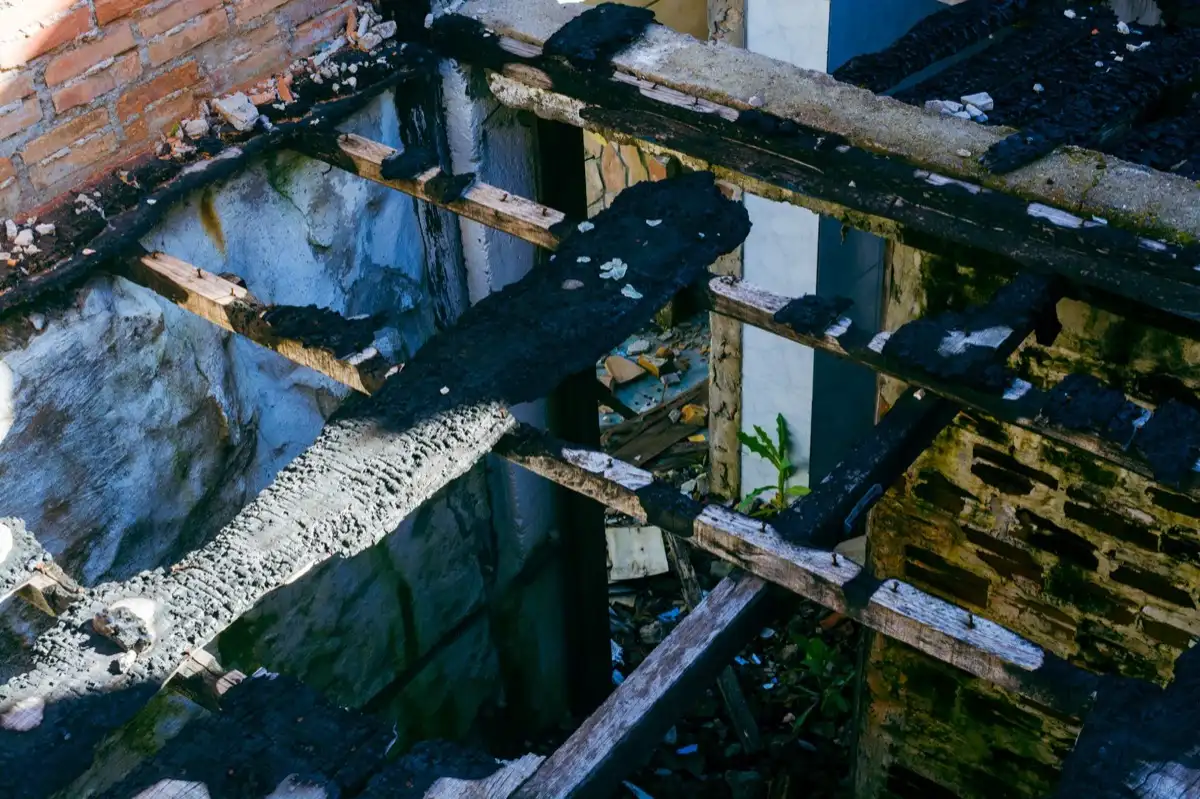
Roof Leak Repair
Most leaks we open in Newark are not shingle failures. They are terminations — a sidewall step flashing that was face-nailed, a pipe boot cracked at the collar, a valley that was closed with the last roofer's roll of plastic cement rather than metal.
Storm Damage Restoration
Storms in central Ohio are inconvenient rather than catastrophic — a line of cells crossing the county, half a dozen streets with branches down, and a hundred roofs where something is now three degrees out of place. Sorting the real damage from the noise is the whole job.

Hail Damage Roofing
Licking County gets hail. It does not get Front Range hail.
Wind Damage Roofing
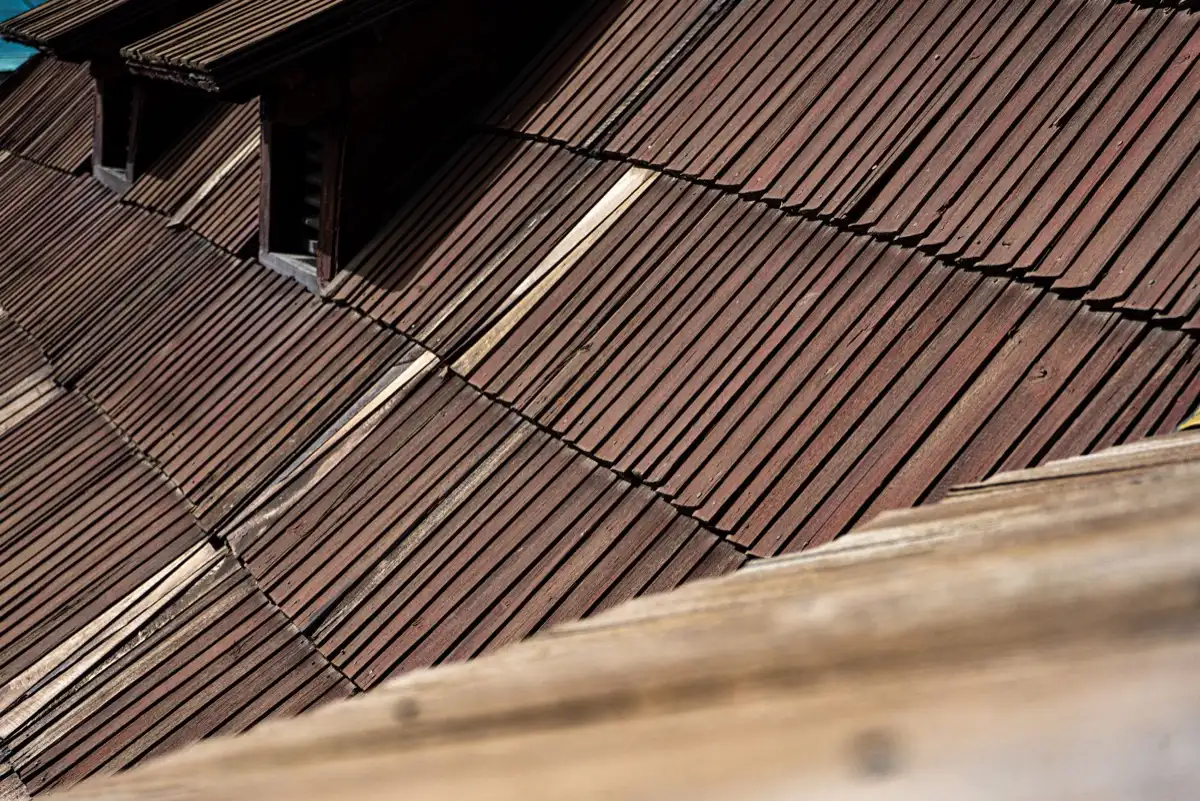
Wind rarely peels a Newark roof off in one piece. It lifts a course at a rake, works under a tab that never sealed, and leaves a crease you cannot see from the driveway.

Roof Inspections
Expect an argument against buying something here. Most Licking County callers asking for a roof inspection do not need one, and plenty of the free ones on offer are not inspections in any meaningful sense.
Asphalt Shingle Roofs
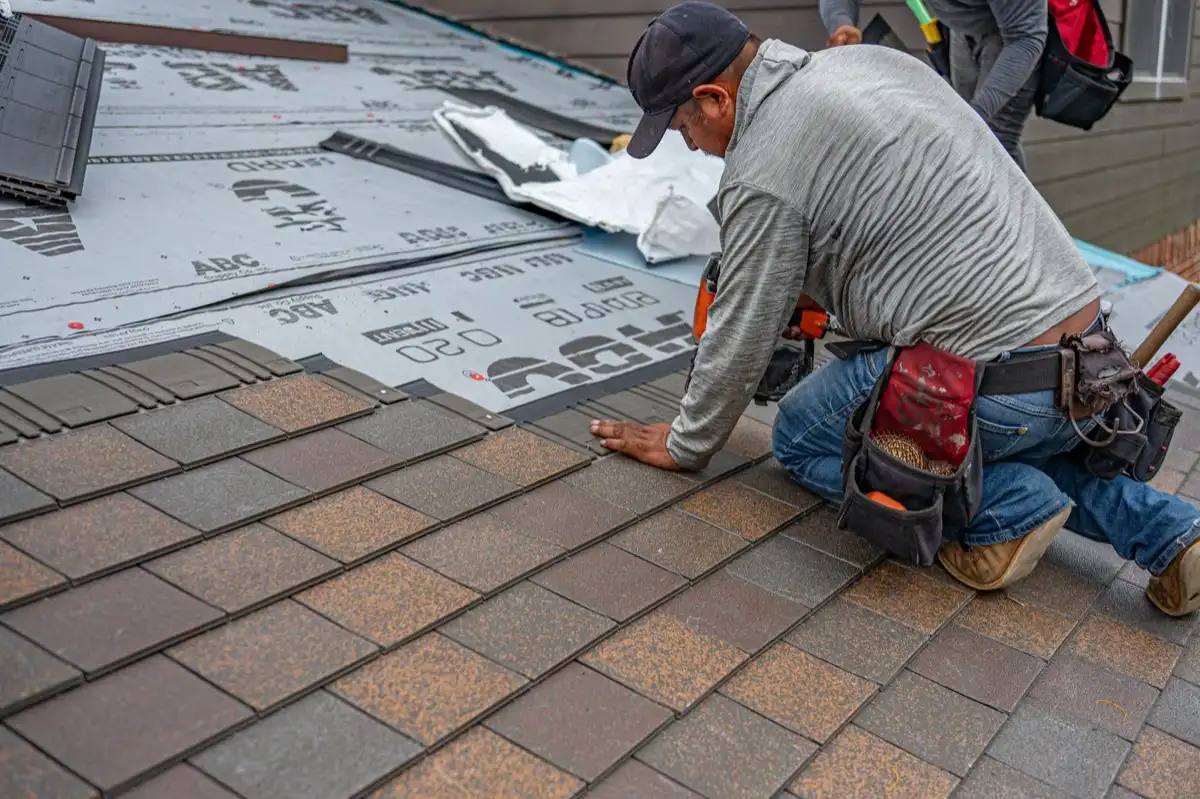
Roughly nine roofs in ten around Newark are asphalt, and the choice among them matters less than most sales presentations suggest. The choice that matters is what the wrapper on the bundle says, because in Ohio that document has legal force.

Standing Seam & Metal Roofing
The county's guidance letter covers asphalt shingle replacement. Metal is a different assembly with different rules, and in Newark it also meets a different substrate — plank decking with real gaps between boards, laid by hand a century ago.

Slate & Tile Roofing
Newark has almost no clay tile and a surprising amount of real slate. Church roofs, the older houses on the hill streets, a scatter of nineteen-twenties builders' slate on the north side — and most of it is closer to serviceable than the people living under it assume.

Flat & Low-Slope Roofing
Low slope in Newark almost never means a flat commercial deck. It means a porch roof at one and a half in twelve, a shed dormer over a stair, or the back addition somebody put on a nineteen-thirties house in 1968 and roofed with whatever was on the truck.
Roof Coatings & Sealing
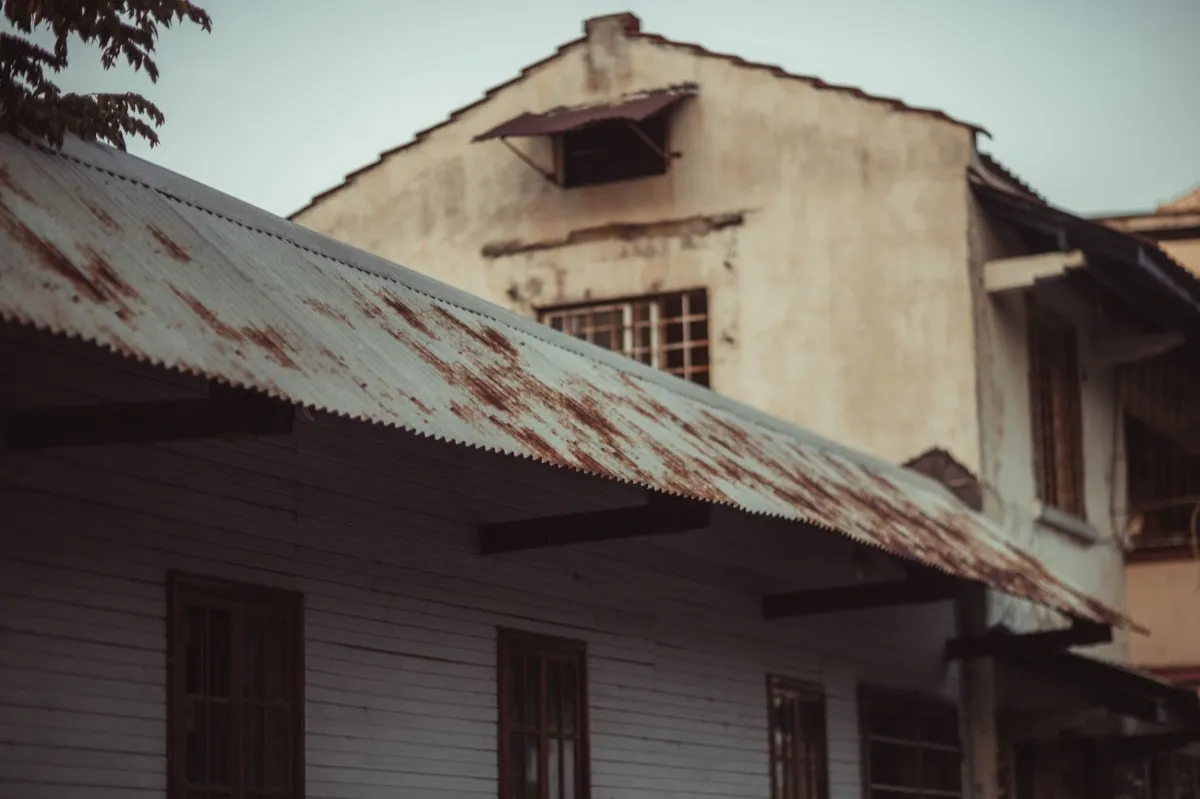
This service exists on the list because people ask for it, and about half the time our answer is no. Coatings are an excellent product in a narrow band of applications, and the band does not include the roof most callers are describing.
Attic Ventilation
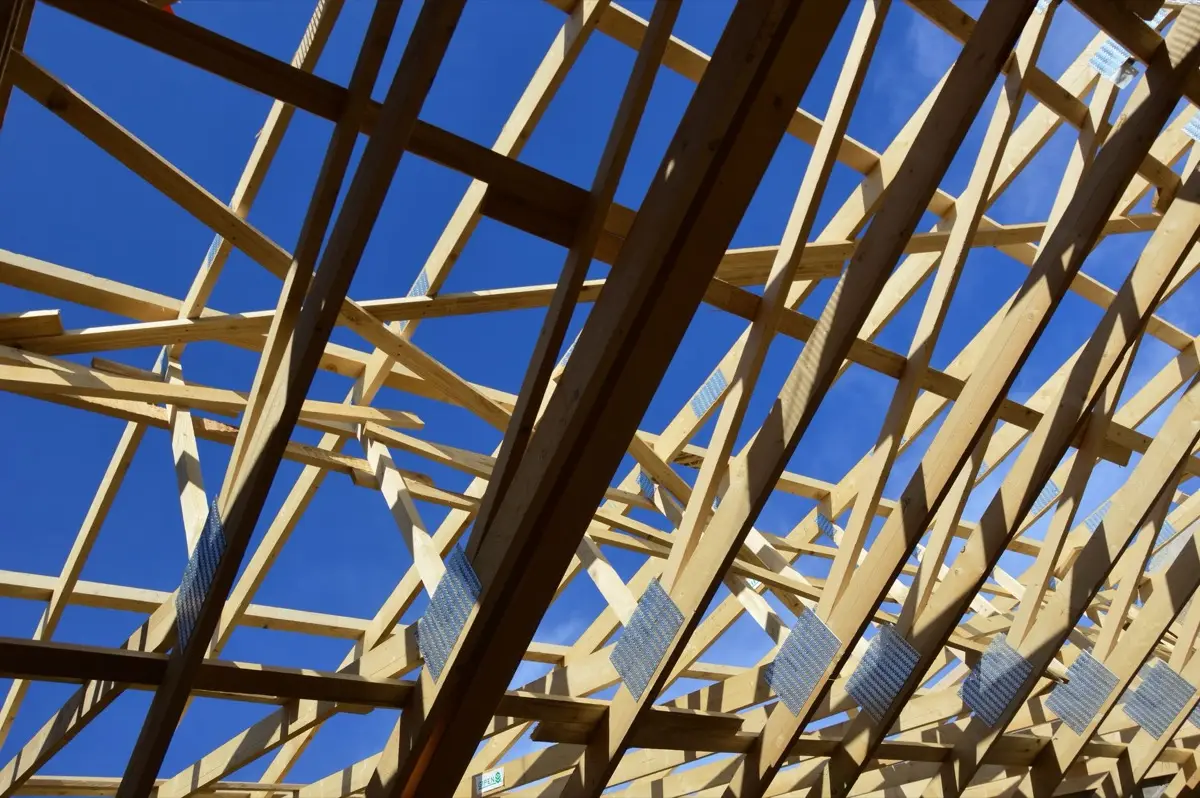
This is the requirement that Newark roofs break most often. Section 806 requires enclosed attics and rafter spaces to be cross ventilated, and the letter states plainly that ventilation must be provided on a shingle replacement even if it did not exist before.
Skylights & Sun Tunnels
Skylights are the most common source of a genuine leak on a Newark roof, and the most common thing we advise against adding. Both are true for one reason: they are a hole in the plane, and a hole in the plane is only as good as its flashing kit.
Fascia & Soffit
Fascia and soffit are sold as cosmetic work and they are not. Soffit carries the intake side of the attic ventilation system, and on Newark's older housing that side is routinely destroyed by the improvement meant to help it.

Chimney & Wall Flashing
More water enters Newark houses at a chimney than at any other single detail. The city's older stock is full of brick stacks, many of them unlined and unused since a furnace conversion, and almost all of them flashed at some point by somebody with a caulk gun.

Commercial Roofing
This is the page where the argument reverses. The Building Code Department's guidance letter about shingle replacement is residential guidance.
Insurance Claim Help
Read this before you call the county; the answer is already published. The Licking County Building Code Department states in its standing letter that it will not issue project-specific or property-specific letters for individual re-roofing projects.
Commercial roofing in Licking County is inspected work, unlike the houses
Everything else on this site turns on the absence of an inspector. Commercial work is the exception: plan review, approval and inspection run through the Building Code Department, and some fire departments want construction documents of their own. We handle the submittal, build the assembly that was drawn, and schedule around the inspection rather than around the weather. Low-slope membrane, built-up and modified bitumen, single-ply, metal, parapet and coping repair, restoration coatings and scheduled maintenance across Newark, Heath and Hebron.
- ✓Plan review and inspection handled through the office at 675 Price Road
- ✓TPO, EPDM and PVC single-ply, mechanically fastened or fully adhered
- ✓Built-up and modified bitumen repair on older downtown structural decks
- ✓Parapet walls and coping joints scoped with the roof, not after it
- ✓Infrared or core testing before any restoration coating is quoted
- ✓Night and weekend tear-off over occupied tenant space
- ✓Daily dry-in commitment so no section is left open overnight
- ✓Portfolio inspection on a schedule, reported building by building
Recent Projects Across Licking County
Full gallery →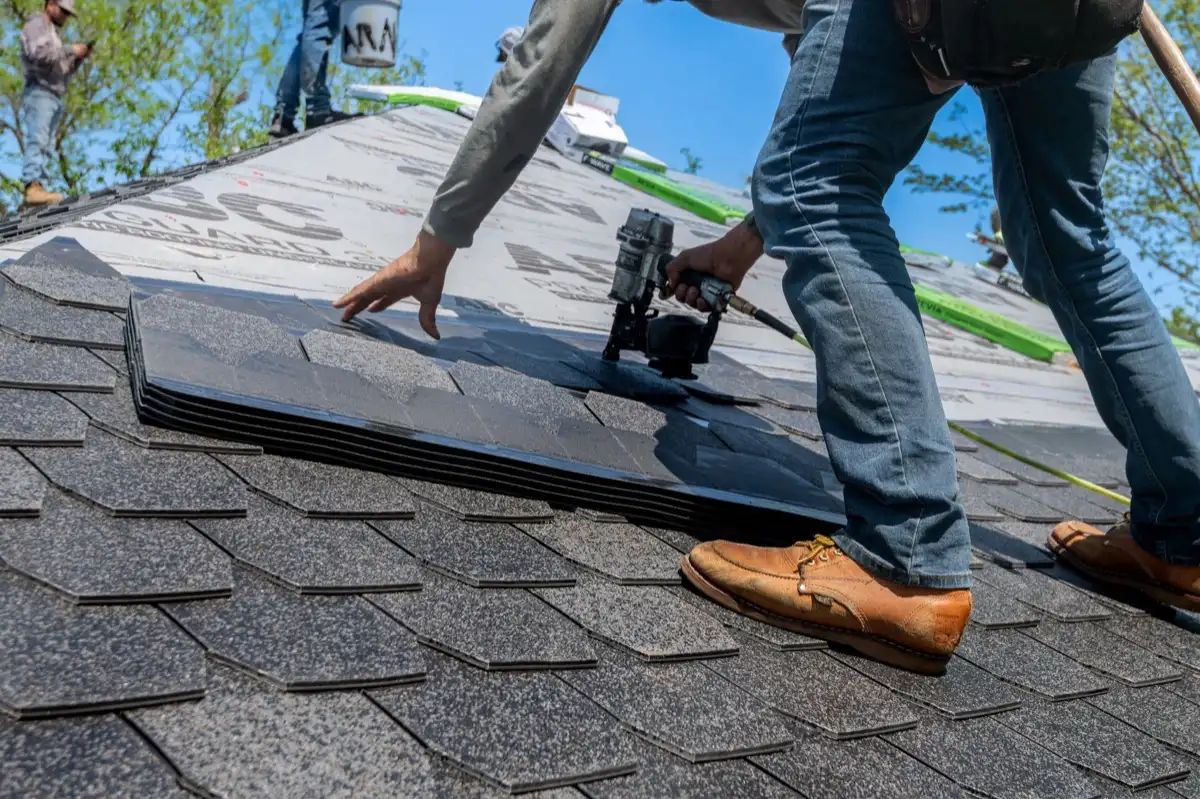

How It Works
- Attic first, then the roof. We start inside, because water tracks a rafter and exits several feet from where it entered. Stains, frost marks on nail points and the color of the sheathing underside tell us more in ten minutes than an hour of walking shingles, and none of it is visible from a ladder.
- A scope in planes and counts. The estimate names planes, counts, materials and the code sections that govern them. Nine creased tabs on the south face is a fact an adjuster can work with. Storm damage throughout is a phrase built to be discounted, and we do not write it into anything.
- Tear-off photographed as it happens. Bare deck, ice barrier line, fastener line on a cut shingle, every flashing before it is covered. Those images land in your inbox the day they are taken, not at the end. Nobody from the county is coming to see any of it, so the record has to come from us.
- Closeout you can hand to anyone. You finish with the photographs, the manufacturer instruction pages that governed your roof with the relevant sections marked, the net free ventilating area we achieved in square inches, and a written workmanship warranty. It is the file an adjuster or a buyer's inspector will ask for later.
What Newark Customers Say
They found two rotted boards, replaced two boards, and told me the rest of the deck was fine. Every other bid on the table had a full re-deck in it. Photographs arrived the same afternoon.
Slate repair on an 1890s roof. They matched salvage rather than pushing a full replacement, worked around soft mortar at the chimney, and explained why the grinder stayed in the truck.
Our attic had no soffit intake at all and nobody had mentioned it in twenty years. They gave us a square-inch figure before and after and the upstairs is noticeably cooler in August.
The estimate listed planes and counts and cited the code sections. Our adjuster approved it without a second visit, which had not happened on the previous claim with another company.
Our Coverage Area
Newark OH Premium Roofing serves Newark, OH and surrounding communities including:
Frequently Asked Questions
Does a Newark, Ohio roof replacement need a permit?
For an asphalt shingle replacement, no. Licking County classes it as a minor repair under RCO Section 102.10.2, so no approval and no inspection go through the Building Code Department. One exception matters: replacing at least half the roof sheathing, at least half the dimensional lumber rafters, or any pre-engineered truss does require approval and inspection through that office.
Will the county inspect the work or send me a letter afterward?
Neither. The Building Code Department's standing guidance letter says the office will not issue project-specific or property-specific letters for individual re-roofing projects, and that anyone asking for one receives its general guidance letter instead. It also declines to decide whether repair or replacement is required, or to act as intermediary with an insurance company. The documentation has to come from your contractor.
Is a roofing contractor licensed in Ohio, and is one registered here?
Not by the state, and it depends where you live. ORC 4740.01 limits the Ohio Construction Industry Licensing Board to HVAC, refrigeration, electrical, plumbing and hydronics contractors, so there is no state roofing license for anyone to hold. Licking County itself registers nobody - its building code administrator put that in writing on 6 February 2025.
But New Albany and Reynoldsburg both sit partly inside Licking County and both run their own building departments and their own contractor registration, and so do Lancaster, Zanesville, Coshocton and Granville. Ask us for the registration that covers your address rather than a state license number that does not exist.
Is an ice barrier really required on a reroof around here?
Yes. Table 301.2(1) of the Residential Code of Ohio requires an ice barrier statewide, and the county's own roofing letter cites Section 905.1.2 for the qualifying materials and the minimum distance it must extend up the roof. There is one exception it names: detached accessory structures, and roof assemblies terminating at a vertical wall over unconditioned floor area, such as an open porch.
Can the crew leave my old plank decking in place?
Usually yes, and usually it should stay. Section 803 allows solid lumber sheathing, and existing undamaged boards may remain even where their thickness would not meet today's table. What forces the issue is the shingle manufacturer's printed instructions, which sometimes require replacement or an overlay, and the county's 50 percent threshold, which converts a wholesale re-deck into permitted, inspected work.
Do I have to add attic ventilation if the house never had any?
On a shingle replacement, yes. Section 806 requires cross ventilation of enclosed attics and rafter spaces, and the county letter states that ventilation must be provided even if it did not exist before, and that the reroof may not reduce the required net free area. On pre-war Newark houses the intake side is usually the expensive half of solving it.